Information for administrators and co-owners
Understanding how energy audits work in the context of Argentine residential buildings — and what they produce for the people who manage them.
Common area electricity is often the largest unexamined expense
In most residential buildings, common area electricity is paid as a single utility bill — without any visibility into which circuits are responsible for the cost. Administrators manage this expense without data, and assemblies approve budgets based on historical patterns rather than actual consumption analysis.
An energy audit changes this. It produces a circuit-by-circuit consumption map — and identifies where changes would have the most financial impact.
The audit does not require any interruption to building services. Measurement instruments are connected during normal operation.
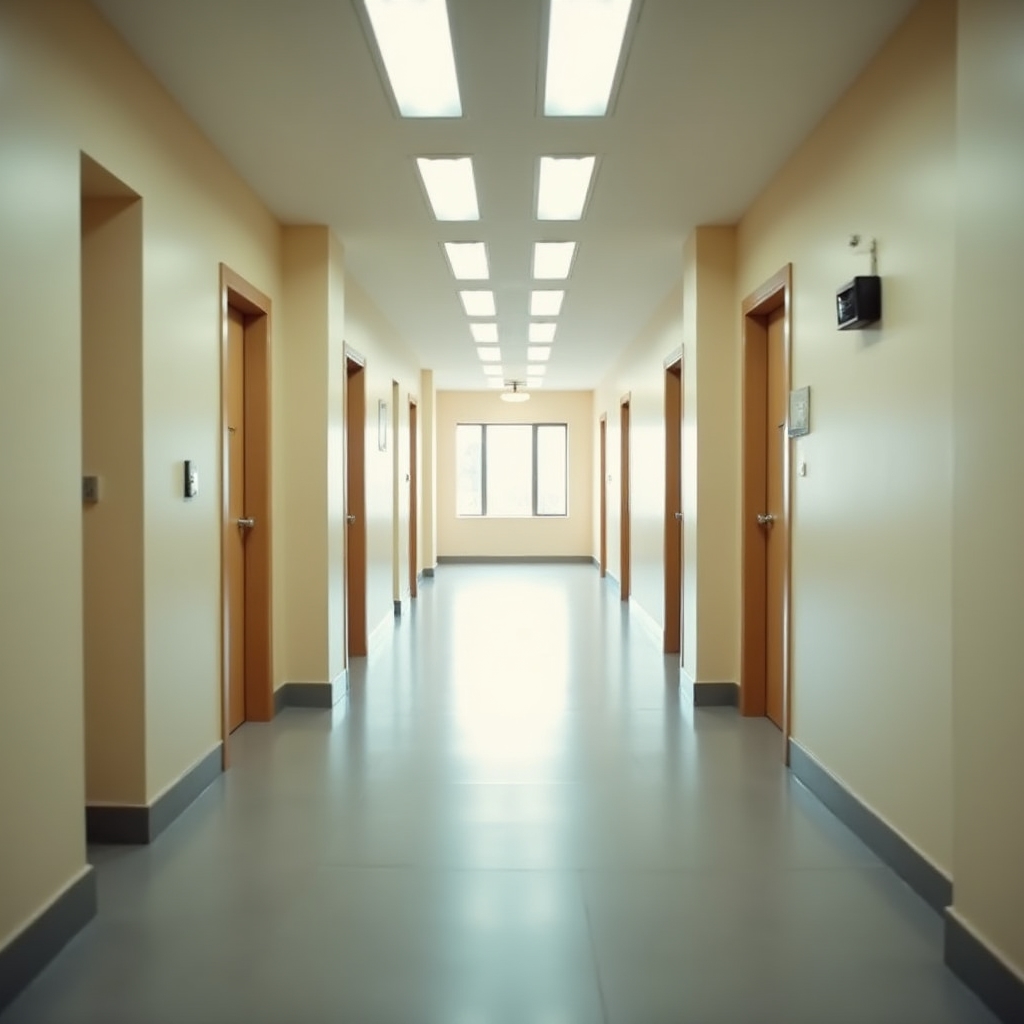
What the audit gives you
Concrete information to present at the assembly — not a vague recommendation to "reduce consumption."
Know exactly how much each circuit in the common areas costs per month — elevator, pumps, hallway lights, parking — measured, not estimated.
Each recommendation comes with a payback calculation. The assembly can evaluate a proposal with actual numbers: cost, monthly savings, months to break even.
Not all replacements have the same payback speed. The report ranks recommendations so the building can start with the changes that recover their cost fastest.
Frequently asked questions
Questions about the audit for your building?
We're available to discuss the process and what to expect before any commitment.