A process built around your building's reality
We don't apply a generic checklist. Each audit is adapted to the specific electrical infrastructure, building size, and administrative context of the property.
From visit to report
Each phase builds on the previous. No phase is skipped.
We visit the building and document its complete electrical layout: number of circuits, panel location, equipment inventory in common areas, and current metering setup. This visit produces the measurement plan used in Phase 2.
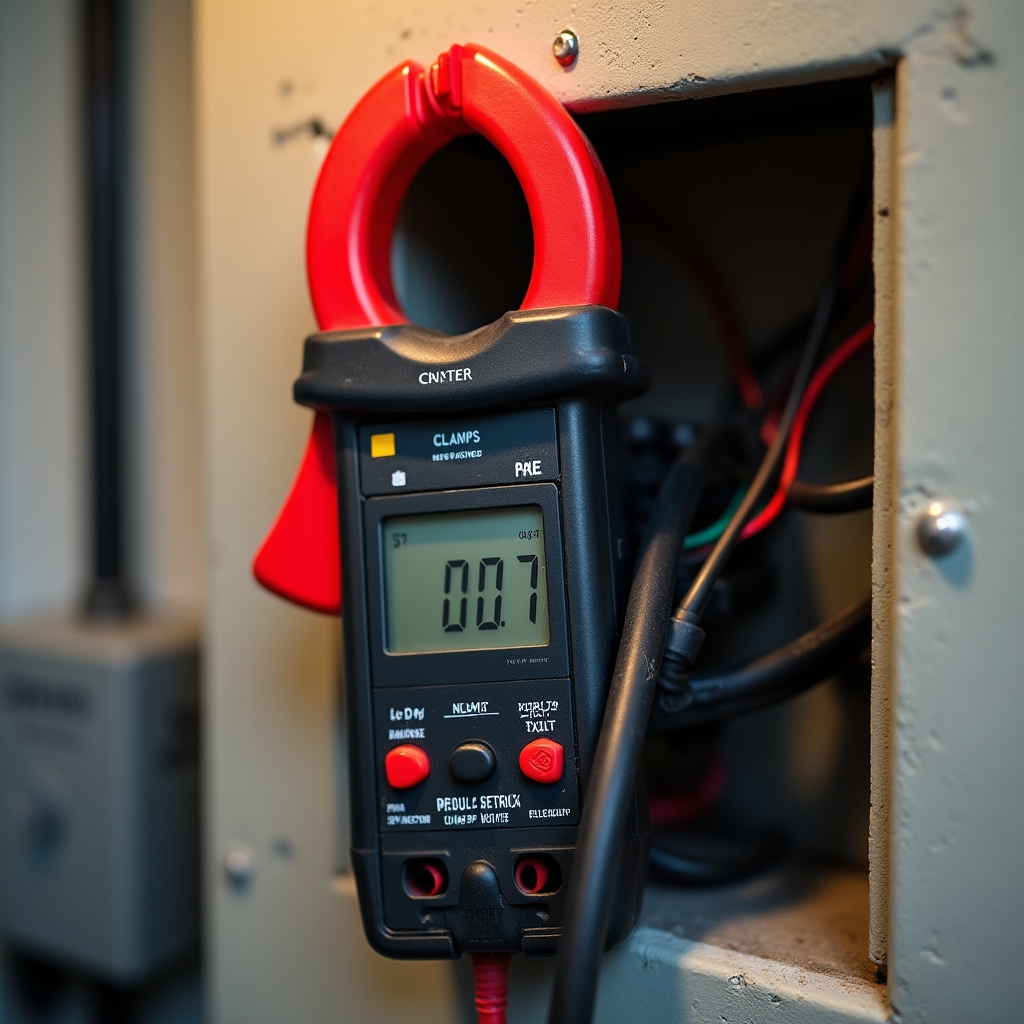
We connect calibrated instruments directly to each circuit in the common areas. Measurement covers real power, reactive power, and consumption patterns over a representative operating period — not estimates or industry benchmarks.
Measured data is compared against equipment specifications and operating hours. Equipment operating outside efficient parameters is flagged. For each flagged item, we calculate the technical case for replacement and project potential savings.
The report is structured for two audiences: the administrator (technical detail) and the assembly (plain-language summary with investment and payback figures). Delivered in editable and print-ready formats.
Every circuit that affects the common expense bill
Common area electricity consumption is often invisible — it shows up as a single line in the utility bill, with no breakdown by use. We make each circuit visible.
- Elevator motor and control systems
- Water pressure and recirculation pumps
- Hallway and stairwell lighting (all floors)
- Lobby and entrance lighting
- Parking area lighting
- Roof and mechanical room equipment
- Main distribution panel and sub-panels
- Any other load connected to common area circuits
What the administrator receives
A document designed for actual use — not to sit in a drawer.
kWh per circuit, per month, with comparison to expected values for each equipment type.
Equipment consuming above efficient parameters, with technical justification for each flag.
Specific equipment specifications for each recommended replacement, with current market pricing.
Investment cost vs. projected monthly savings, expressed in months to break even.
Recommendations ordered by payback speed — so the administrator knows where to start.
A plain-language section written for presentation to co-owners, without technical jargon.
Ready to understand your building's consumption?
Contact us to discuss the audit process and how it applies to your specific building.