Common area energy audit for residential buildings
A technical service that measures real electricity consumption in building common areas, identifies inefficient equipment, and produces an amortization plan for each recommended change.
An audit based on measurement, not assumptions
The audit produces a factual picture of how electricity is used in your building's common areas.
Common area electricity consumption is typically managed as a fixed cost — paid monthly without analysis. Over time, aging equipment, inefficient lighting, and oversized pumps accumulate, but without measurement, there is no way to know how much each item contributes to the bill.
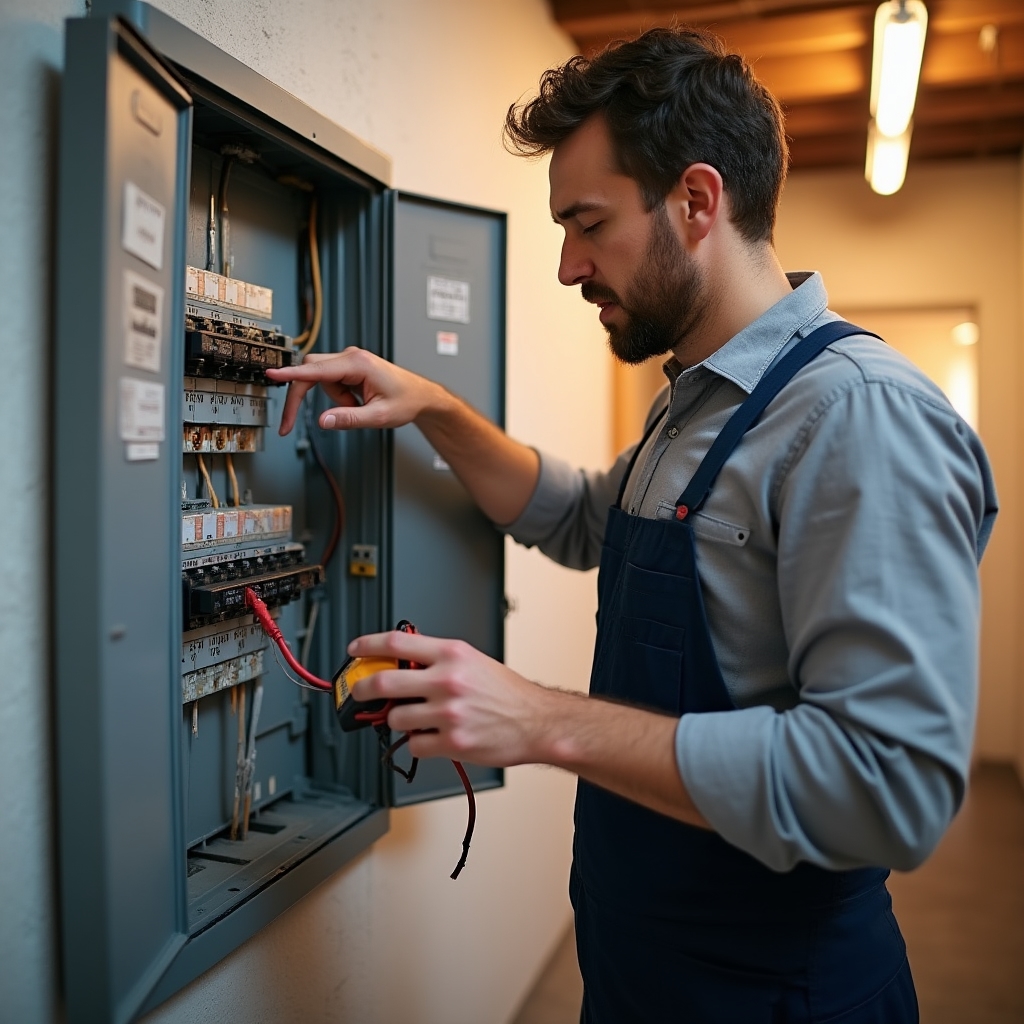
The Dexnudi energy audit connects calibrated instruments to each circuit and records actual consumption data. This data becomes the foundation for all recommendations — not industry averages or theoretical calculations.
- Instrument-based measurement, not estimates
- Circuit-level granularity — not a building total
- Equipment assessment against manufacturer specifications
- Amortization calculation based on your building's actual data
- Report structured for both technical and assembly audiences
Identifying equipment past its efficient lifespan
Each equipment category has specific indicators of inefficiency. We assess each one against technical parameters.
Water pumps
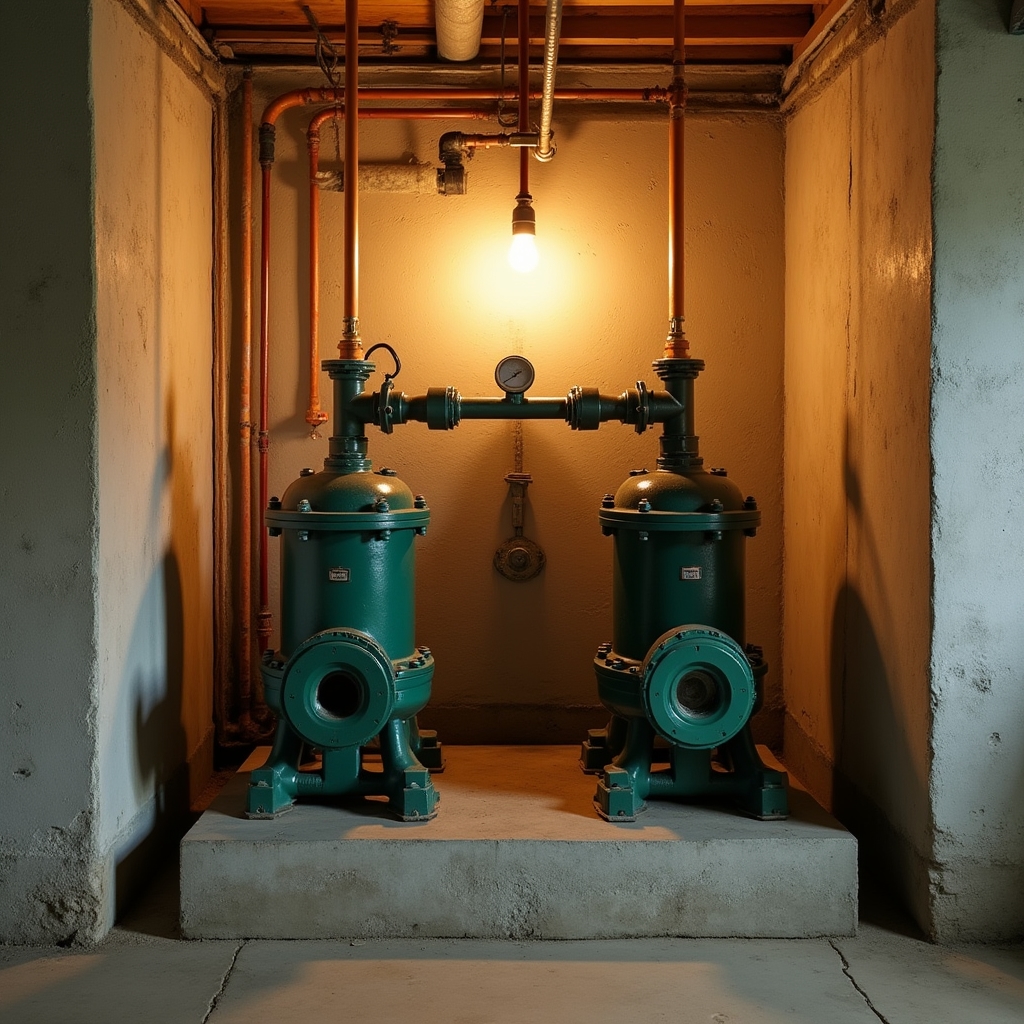
Pressure pumps and recirculation systems are among the largest consumers in residential buildings. We measure actual power draw and compare against rated specifications. Oversized or aging pumps often consume significantly more than a correctly sized replacement would.
Lighting systems
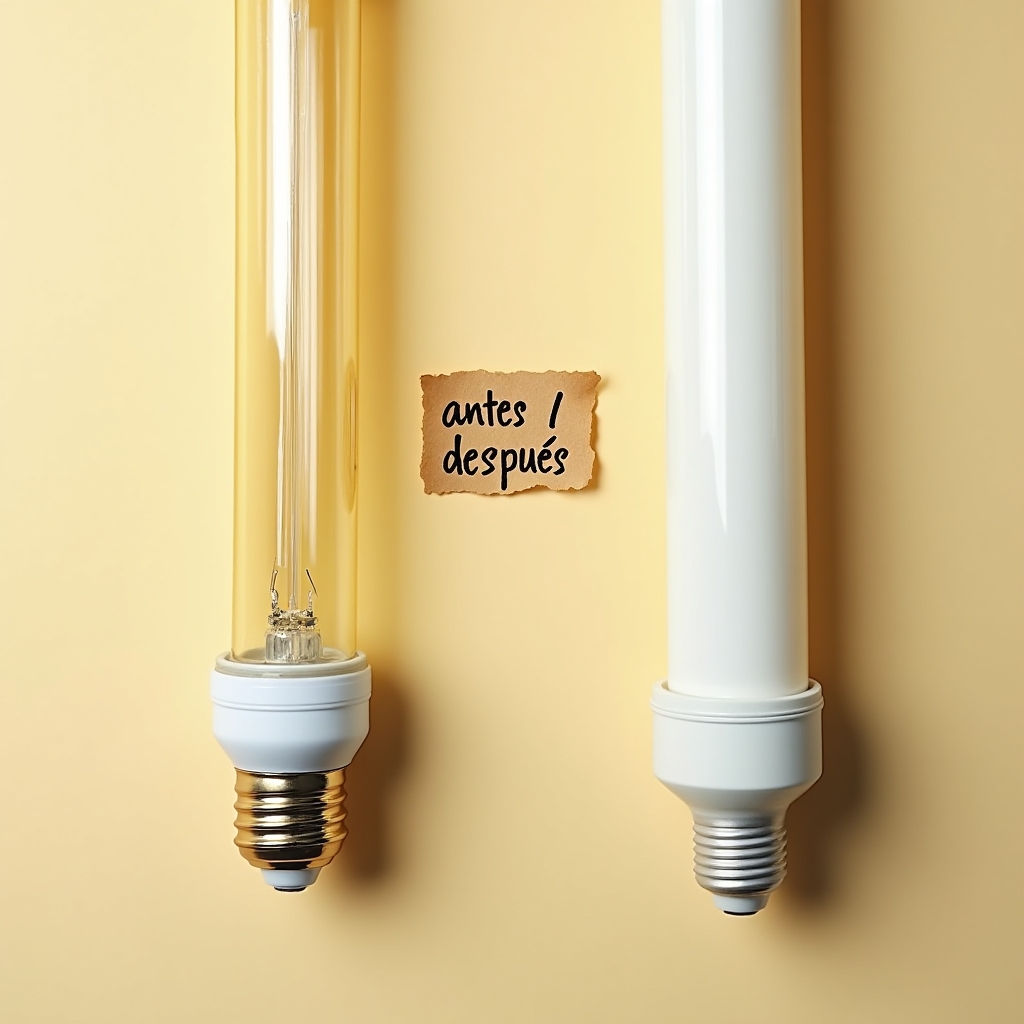
Fluorescent and incandescent fixtures in hallways, parking areas, and common rooms are frequently the most cost-effective replacement target. We document fixture type, wattage, operating hours, and calculate the savings from LED conversion for each location.
Electrical panels
Aging distribution panels can create inefficiencies and safety concerns. We assess panel condition, circuit organization, and identify any configuration issues that affect consumption or protection.
Elevator systems
Elevator motor and control systems are significant consumers in multi-story buildings. We measure consumption patterns across operating cycles and identify opportunities for efficiency improvements in motor or control systems.
How the amortization calculation works
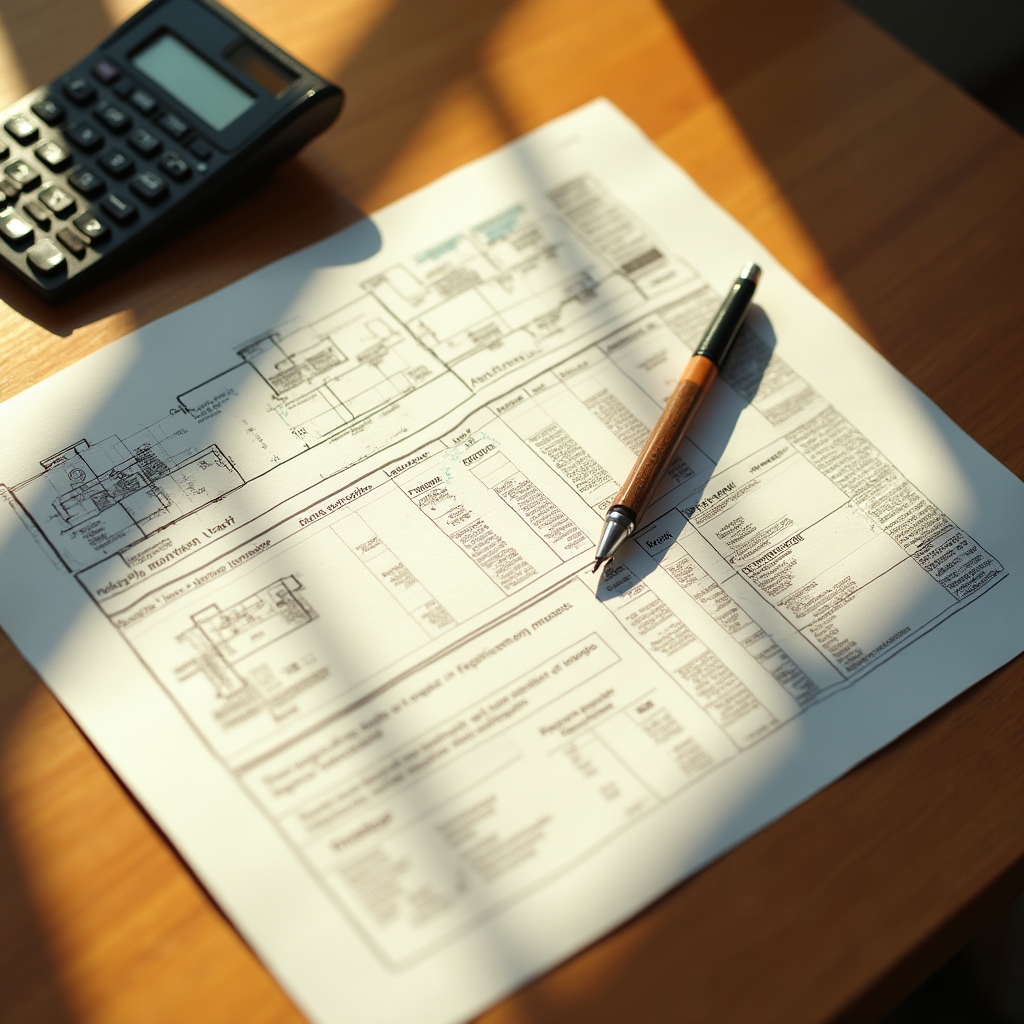
For each piece of equipment identified as a replacement candidate, the report includes a complete amortization calculation:
- Current monthly cost (from measured consumption)
- Projected monthly cost after replacement
- Monthly savings (the difference)
- Replacement equipment cost (current market price)
- Installation estimate
- Total investment divided by monthly savings = payback in months
All calculations use the building's measured consumption data and current local equipment pricing — not generic national averages.
The audit at each stage

Interested in an energy audit for your building?
Contact us to discuss the scope, timeline, and what the audit would cover for your specific building.